

The Real Deal AUG 2026
Who we are
Advocating for the 1.2 million New Yorkers who live in the city's 12,000 co-op and condo buildings
We are dedicated to advocating for cooperative and condominium homeowners by protecting their rights, financial well-being, and housing stability. We foster a strong advocacy network, influence policy decisions, and oppose harmful legislation.

- New Yorkers
- 1.2M +
- Apartments
- 800K
- Co-op & Condo Buildings
- 12K


Where we stand
Policy and Advocacy
The city and state measures shaping co-op and condo life, and the coalition's position on each.
-
City
- Compliance with LL 97 is especially difficult for coops and condos, which often do not have the …
- LL 11 is a costly and burdensome regulatory scheme that drains coops and condos of finances and …
-
State
- J51-R is an important way for certain coops and condos to cover maintenance and compliance work.…
- If a condo owner fails to pay common charges, maintenance, or other fees, it can lead to a lien …
- Co-ops and condos face ongoing challenges of rising insurance premiums, lower coverage limits, a…
Take action
Ways to get involved
Campaigns, events, and webinars open to co-op and condo homeowners across the five boroughs.
-

Contact Your Elected Officials
Reach the elected officials who represent you — enter your zip code and your message goes directly to their offices.
-
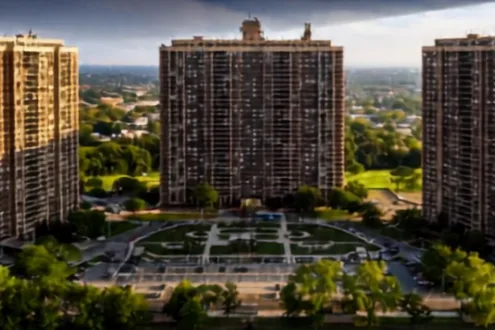
Safeguard Your Investment at North Shore Towers
Date: Oct 5, 2026 · 6:00 PM
Hear from co-op leaders and elected officials on the local laws and unfunded mandates squeezing co-ops and condos — and what you can do. October 5 in the North Shore Towers movie theater.

Bill tracker
Recent Legislation
Pending City Council and State Legislature bills on the issues we work on, linked to the official record.
New York City Council
-
Int 0282-2026 Committee
Building emissions calculations, adjustments and penalties
-
Int 0406-2026 Committee
Establishing a cooperative apartment board member training program
-
Res 0560-2026 Committee
Resolution calling on the United States House of Representatives to pass H.R. 1803, the United States Senate…
New York State Legislature
-
S8912 In Senate Committee
Increases transparency in cooperative housing corporations
-
S9796 In Senate Committee
Relates to prohibiting pre-payment penalties for mortgages secured by real property owned in a cooperative fo…
-
S7541 In Senate Committee
Establishes transparency guidelines for condominiums and cooperative housing units
Out in the boroughs
Recent events
-
Hearing Sep 9, 2026
J-51 Hearing

-
Webinar August 25, 2026
Expert Insights: Pied-à-Terre Tax Rules and Implementation

Latest from Expert Insights
Legislative Updates: Pied-à-Terre Tax
Michael Wolfe is joined by Jane Menton, Geoff Mazel, and Stuart Saft on the CLCPA climate mandate and Local Law 97, the new 15-day co-op purchase application timeline, the J-51R programme, and how the new pied-à-terre tax is calculated.
July 14, 2026 · 58 min
Listen to this episode
In their own words
Member testimonials
Board members and shareholders on why they joined the coalition and what is at stake for their buildings.
-
Mark Hankin
-
Leslie Peterson
-
Jeff Buss
Join us. Stand with NYC’s co-op and condo community
Sign up for alerts, news, and events from the coalition.